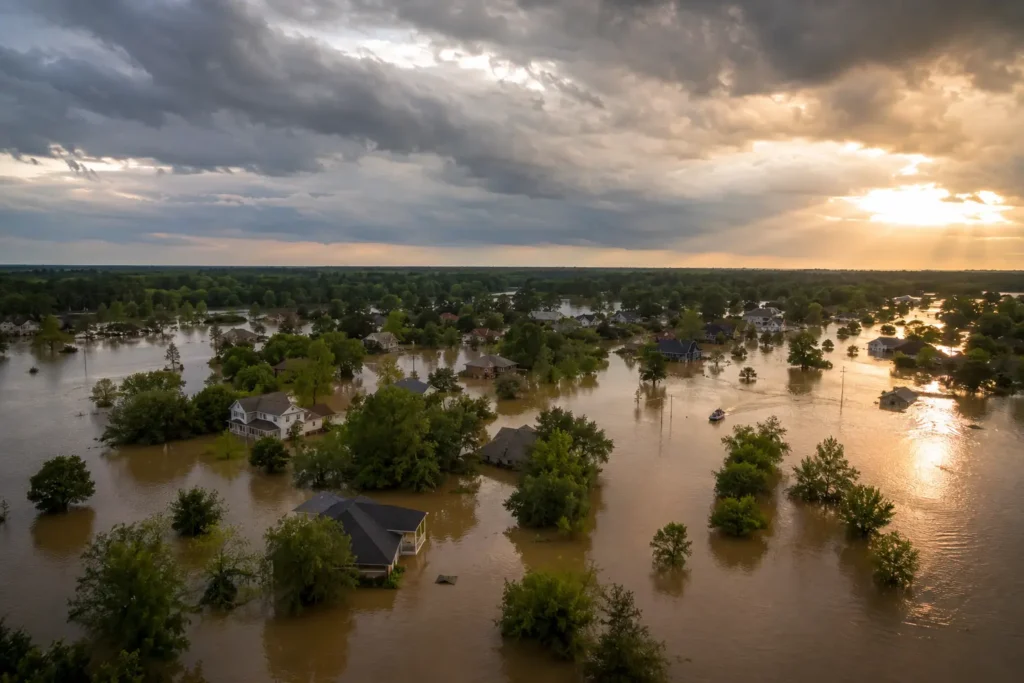
Emergency water damage Charleston SC and Dallas TX homeowners face is one of the most stressful emergencies any homeowner can encounter. From the storm-prone plains of Dallas, Texas to the hurricane-battered coastline of Charleston, South Carolina, millions of American homeowners deal with flooding, burst pipes, and water intrusion every single year.
But here is what most people do not realize: how you respond to water damage depends heavily on where you live. Local climate, soil composition, building materials, and regional weather patterns all affect how water damage behaves – and what the fastest, safest recovery path looks like.
This guide breaks down emergency water damage response by region so homeowners across the United States know exactly what to do when disaster strikes.
Why Regional Differences Matter in Water Damage Response
Before diving into specific regions, it is important to understand why location matters so much in water damage situations.
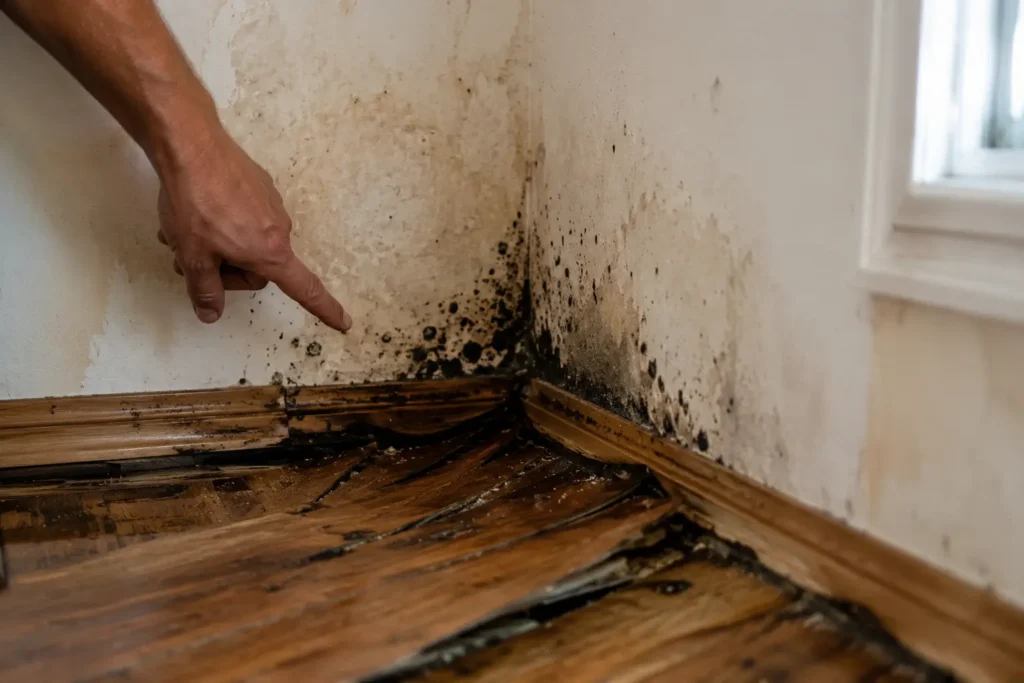
Humidity levels affect how quickly mold grows after water exposure. In hot, humid states like Texas, Georgia, and South Carolina, mold can begin developing within just 24 to 48 hours of water intrusion – far faster than in dry climates like Arizona or Colorado.
Soil type affects how quickly water drains away from your foundation. Clay-heavy soil common in the Dallas-Fort Worth area holds water against basement walls and crawl spaces for days after a storm passes, increasing the risk of structural seepage long after the rain stops.
Building age and materials also play a major role. Older homes in coastal cities often use materials that absorb moisture faster and dry more slowly than modern construction, making professional drying equipment essential rather than optional.
According to FEMA flood zone maps, different zip codes carry dramatically different flood risk levels – and homeowners in high-risk zones need to act faster and more aggressively than those in low-risk areas.
Dallas, TX: Flash Flooding and Burst Pipe Emergencies
Dallas homeowners deal with water damage threats that are uniquely tied to the city’s geography and infrastructure. The Trinity River basin creates natural flood channels that push water rapidly into residential neighborhoods during heavy storm events. But beyond surface flooding, Dallas faces a less visible problem – aging sewer and drainage infrastructure underneath neighborhoods like Oak Cliff and East Dallas that frequently backs up during intense rainfall.
Clay-heavy soil across the DFW region compounds the problem further. Unlike sandy soil that drains quickly, Dallas clay absorbs water slowly and holds it against foundation walls for days after a storm passes – silently pushing moisture into crawl spaces and wall cavities long after the rain stops.
The critical window for Dallas homeowners is shorter than most realize. In summer temperatures above 90°F combined with high humidity, mold colonization can begin inside wall cavities within 18 hours of water exposure – not the commonly cited 48 hours. This means professional extraction equipment needs to be running the same day damage occurs, not the following morning.
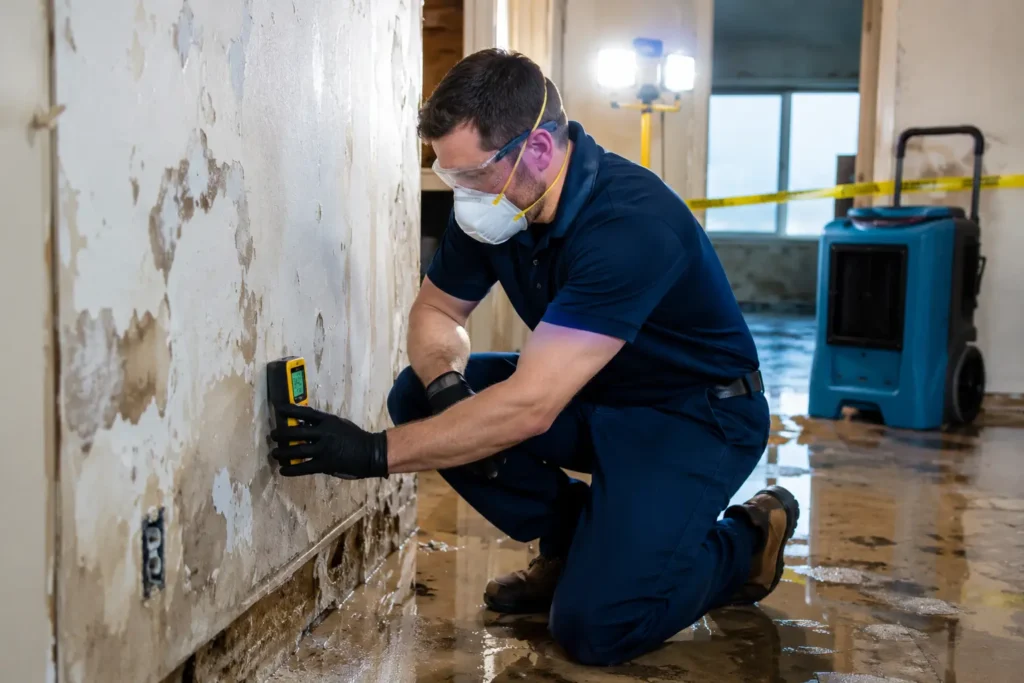
Our team at water 911 damage responds within 60 minutes across the Dallas-Fort Worth area – because in Texas summer heat, every hour without professional drying equipment is an hour mold uses to establish itself deeper inside your home’s structure.rs.
South Carolina Coast: Hurricane and Tidal Flooding Response
Moving east to the Atlantic coastline, South Carolina homeowners – particularly those in the Charleston area – face a completely different set of water damage threats.
Charleston SC sits at the confluence of three rivers and rests just feet above sea level in many neighborhoods. The city experiences what locals call “sunny day flooding” – tidal flooding that occurs even without rain during high tide events. Add hurricane season, which runs June through November, and Charleston becomes one of the highest-risk cities in the entire southeastern United States for water damage.
When flooding hits a coastal home in Charleston, saltwater intrusion creates additional complications that inland homeowners never face. Salt accelerates the corrosion of metal fixtures, electrical systems, and structural fasteners at a rate far beyond what freshwater flooding causes. It also raises the pH of drywall and wood materials, which accelerates mold growth significantly within the first 24 hours.
For Charleston homeowners specifically, speed is everything. Professional emergency water damage Charleston SC teams trained in coastal flood response understand how to handle both saltwater and freshwater intrusion – a highly specialized skill that not every restoration company has developed.
The EPA’s official mold remediation guidelines specifically note that coastal and high-humidity environments require more aggressive drying protocols and faster response windows than inland areas. This is not optional in a city like Charleston – it is the difference between saving your home’s structure and replacing it entirely.
The Midwest: Basement Flooding and Sump Pump Failures
Homeowners in the Midwest – Illinois, Ohio, Indiana, and surrounding states – deal primarily with basement flooding caused by heavy spring rains and sump pump failures during power outages.
Unlike coastal flooding that tends to be dramatic and fast, Midwest basement water damage often creeps in slowly over several hours as groundwater rises and pushes through foundation cracks and floor joints.
What Midwest homeowners should do:
Install a battery-powered backup sump pump before the rainy season begins. A sump pump that loses power during a storm – exactly when it is needed most – will fail silently and allow water to accumulate for hours before anyone notices. A battery backup system can prevent thousands of dollars in damage for a relatively small upfront investment.
Seal foundation cracks every two to three years. Even hairline cracks in a poured concrete foundation can allow significant water intrusion under hydrostatic pressure during heavy rainfall. Polyurethane or epoxy injection sealing is the most effective and longest-lasting approach available.
Universal Emergency Steps – Every Region, Every Homeowner
Regardless of where you live, these steps apply the moment you discover water damage:
Step 1 – Shut off the water source if the damage is from a plumbing failure. Every minute of active water flow multiplies the damage.
Step 2 – Ensure electrical safety before entering any standing water. Shut off power to affected areas at the breaker box.
Step 3 – Document with photos and video before touching anything. Timestamp your documentation.
Step 4 – Call a certified professional immediately. The IICRC certification standard is the industry benchmark for water damage restoration companies. Always verify certification before hiring anyone.
Step 5 – Begin ventilation by opening windows and doors if weather permits. Airflow slows mold development while you wait for professional equipment.
Step 6 – Contact your insurance company as soon as documentation is complete. Most policies have time limits on when claims must be filed after a loss event.
Whether you are managing emergency water damage Charleston SC style coastal flooding or Dallas TX flash flooding, certified professionals are your fastest path to full recovery.
You can learn more about regional response protocols and what to expect from a professional restoration assessment on our water damage restoration services .
How To Find the Right Restoration Company In Your Region
Not every restoration company is equipped to handle every type of water damage. When evaluating companies in your area, ask these questions:
Do they carry IICRC certification? This confirms they follow industry-standard drying and remediation protocols.
Do they have experience with your specific type of damage – coastal flooding, basement water, storm damage, or plumbing failure? Experience matters enormously when equipment selection and drying timelines are critical.
Do they provide a written scope of work before starting? Verbal estimates are not acceptable for restoration work. Demand documentation.
Are they available 24 hours a day, 7 days a week? Water damage that sits overnight becomes mold damage by morning.
For immediate Dallas-area response, contact our emergency response team right now – we are available around the clock and arrive ready to work.
Final Thought: Act Fast, Act Smart
Water damage is never a situation where a wait-and-see approach pays off. Every additional hour of moisture exposure inside your walls, floors, and structural cavities increases repair costs, increases serious health risks from mold exposure, and decreases the chance of saving materials that could otherwise be restored.
Whether you are in Dallas managing a burst pipe emergency, in Charleston dealing with hurricane tidal flooding, or anywhere else in the country facing a water intrusion event – the answer is always identical: document immediately, call a certified professional, and move fast.
Check your regional National Weather Service alerts regularly during storm season and keep your restoration company’s number saved in your phone before you ever need it.
Call now (214) 894-2595 for immediate help.
Leave a Reply